‘Niseko (nisekoan)’ is an Ainu word meaning ‘(river which runs around the bottom of) a sheer cliff’.
![]() Niseko-Annupuri |
The word ‘nupuri’ also comes from the Ainu language and means ‘mountain’. ‘Niseko-Annupuri’ - where the ski slope is located - means ‘mountain with a (river which runs around the bottom of a) sheer cliff’. As the name contains the word for mountain it is not called ‘Mt. Niseko-Annupuri’. |
![]()
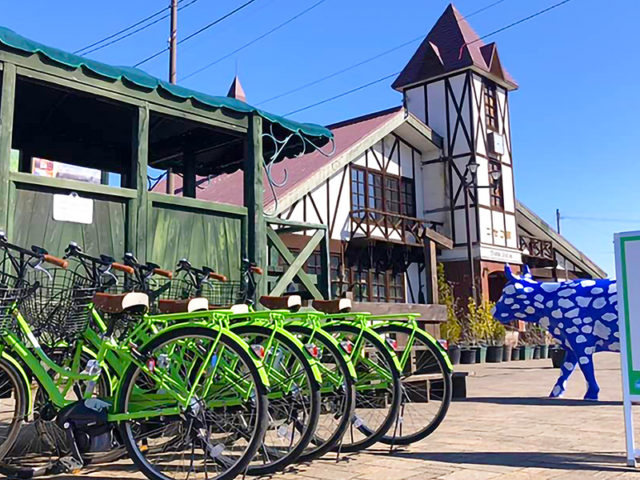
In 1963, the Niseko-Annupuri area was designated ‘Niseko - Shakotan - Otaru Kaigan Quasi-national Park’. At this time,the national railway station (now JR) was still called ‘Kaributo Station’ and as a result moves were made to change the name of the gateway to Niseko to ‘Niseko Station’. |
![]() Niseko Station |


|
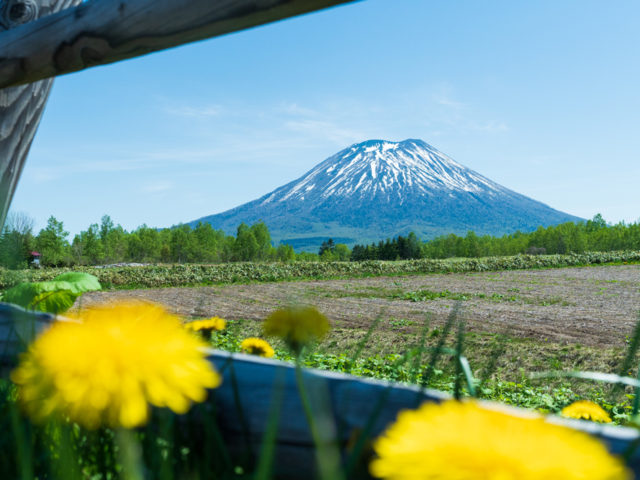
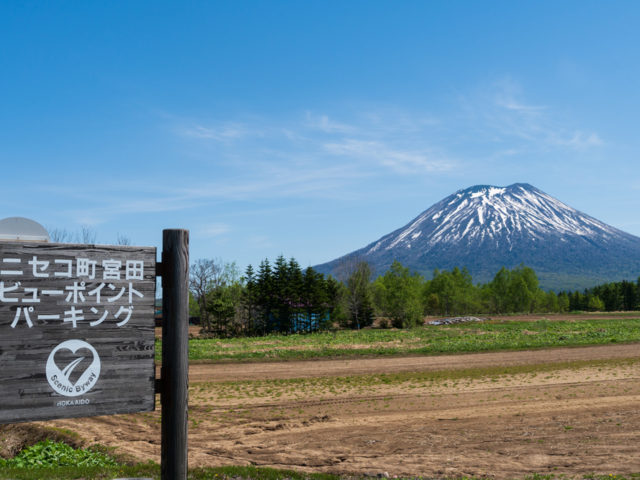
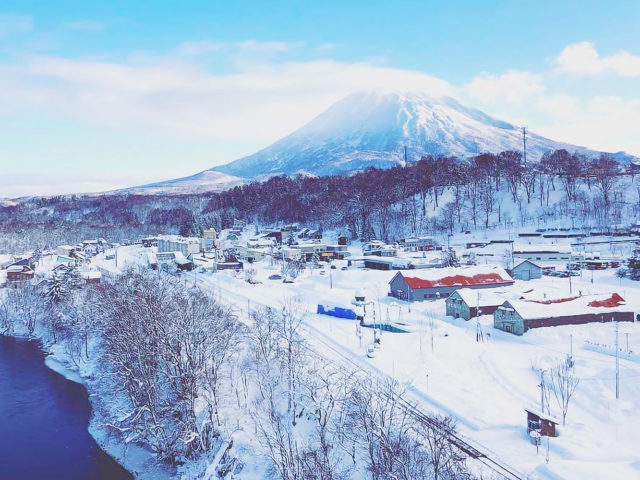
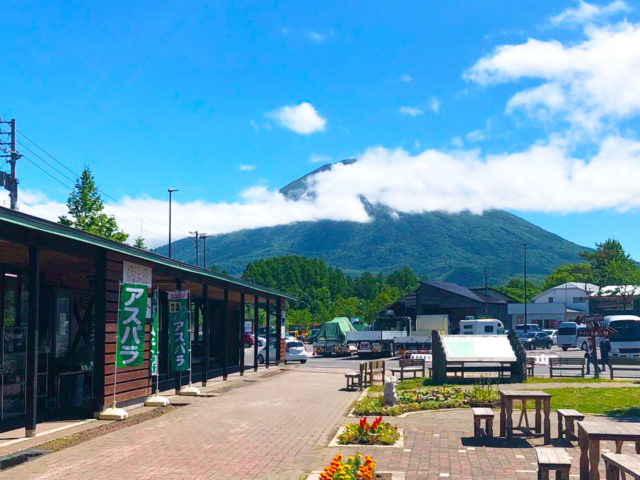
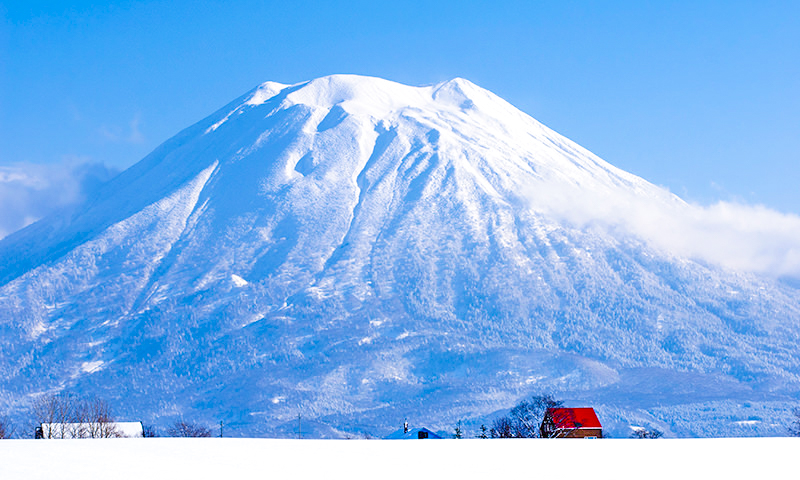
Niseko Town (42°52’ N and 140°48’ E) is located in the west of central Hokkaido almost in the centre of Shiribeshi Subprefecture. It lies in a gently undulating basin with the 1,898m Mt. Yotei in the national park to the east and the 1,309m Mt. Niseko-Annupuri in the Quasi-National Park to the north. |
![]() A field of sunflowers bathes in the summer sun |
![]() |
![]() |
![]() |
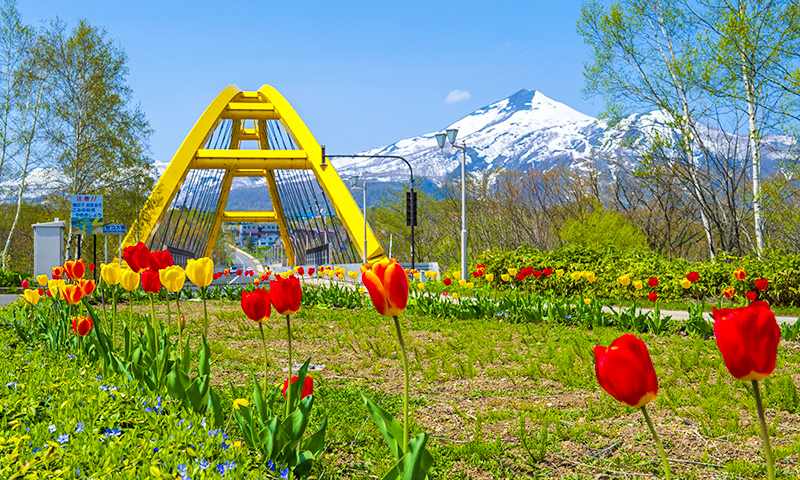
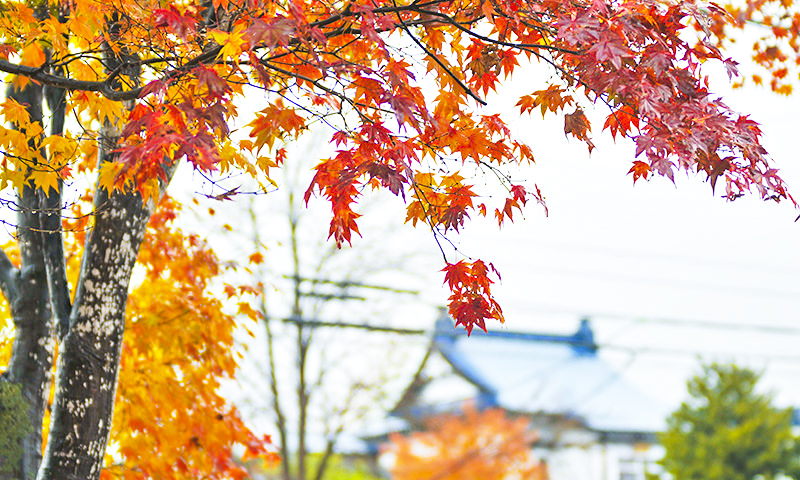
| Spring brings a colourful floral array | Breathtaking autumn sunsets | A frosty winter snowscape |

|
Around 200 households farm 2,000 hectares of land with an annual production of just under three billion yen. Main crops include potatoes, melons and asparagus, particularly well known for their quality and taste, and rice, tomatoes and lily bulbs. With Niseko’s distinctive characteristics being used to promote agriculture and through the improvement of profits, furthering of environmentally friendly ‘Clean Agriculture’ and support for direct farm sales, the agricultural industry is experiencing a period of revitalisation. |
|
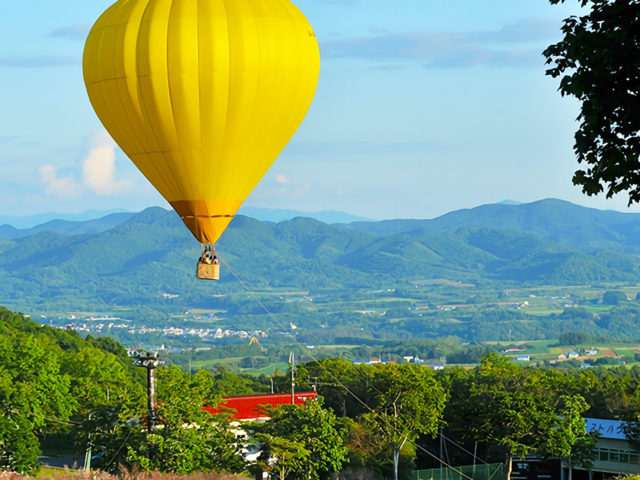
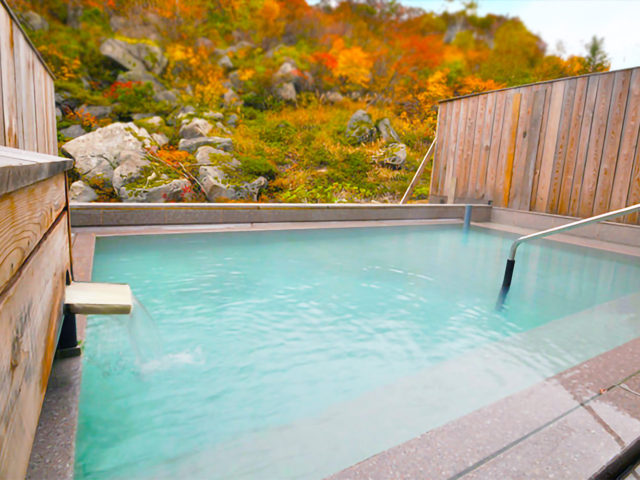
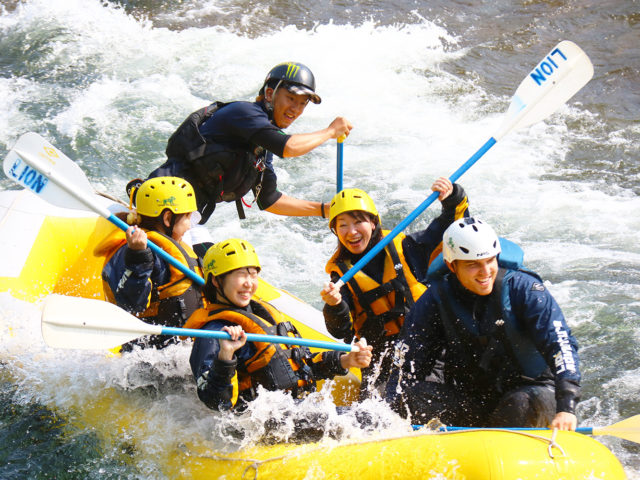
The Niseko district has areas designated as both National and Quasi-National parkland and is a year-round tourist resort blessed with scenic countryside reflecting the beauty of all four seasons. Summer invites visitors to try outdoor sports such as hiking, canoeing and rafting while in winter they throng to the large ski resort for its world-famous, top-quality snow and winter sports. The area is also dotted with many hot springs of differing mineral content and offers plenty of accommodation such as hotels and B&Bs each offering its own personal touch. |
|
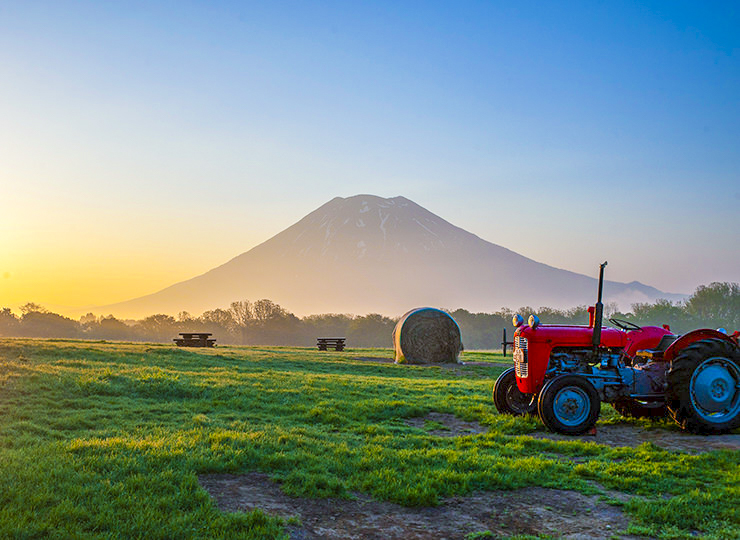
Located at the foot of Mt. Yotei is the well-known Arishima area - farmland that was first cultivated by the father of the famous early twentieth century author Takeo Arishima. Takeo let his tenants use the land free of charge and his legacy of ‘mutual aid’ lives on in Niseko to this day. In 1977, to celebrate 100 years since his birth, the Arishima Takeo Memorial Museum was built on the original site of the farm. As the museum plays a central role in the dissemination of local culture, it receives many visitors. |

![]() Sakamoto Park |
Konbu literally translates as ‘kelp’ and there are various explanations as to the origin of the name ‘Konbu Onsen’. One opinion holds that the name was taken from the nearby mountain known as ‘Konbu-dake’. This mountain is referred to in the Ainu language as ‘Tokonpo-nupuri’ which translates into Japanese as ‘chiisana ko(n)bu yama’ (lit. little hump mountain) and hence the name ‘Konbu-dake’. |